
Oxford Summer Courses 2026: Complete Programme Guide

.webp)
Key takeaways:
Oxford Summer Courses 2026 is not a single programme.
It is a collection of academic experiences designed for different ages, subjects, and stages of learning — each with its own structure, teaching style, and level of independence.
Developed by an award-winning education provider, each course is designed to support independent thinking through small group teaching, personalised guidance, and open discussion.
This guide brings those experiences together in one place.
You’ll find how each programme works, what you’ll study, where you’ll live, and how your time is structured day-to-day — from academic sessions to life beyond the classroom.
If you are deciding whether this is the right experience, this is where to begin.
To explore the full range of courses and subjects available, you can browse the complete programme on the Oxford Summer Courses website.
How Oxford Summer Courses approaches learning
Oxford Summer Courses is designed around a different way of learning.
Rather than following a fixed curriculum, you explore ideas through discussion, independent study, and personalised feedback — an approach that reflects how learning works at university level.
There are no set answers or prescribed outcomes. Instead, you are encouraged to engage actively with your subject, developing your own ideas and refining them through conversation and guidance.
Learning takes place in small groups, where you discuss concepts, test your thinking, and consider different perspectives. Alongside this, independent study allows you to prepare your ideas in advance, so you can take a more active role in each session.
This approach places your thinking at the centre of the experience. You are encouraged to question assumptions, explore alternative viewpoints, and develop your own way of understanding a subject.
It is a model inspired by teaching methods used in Oxford and Cambridge, where learning is built around dialogue rather than instruction.
You can explore this approach in more detail through how Oxford Summer Courses teaching works, including how seminars, tutorials, and independent study combine to support deeper thinking.
2026 Programme Overview
Course structure at a glance
- Duration:
- 1 week (Juniors and Scholars)
- 2 weeks (Oxford and Cambridge courses)
- Dates: Late June to mid-August 2026
- Format: Residential (live and study on-site)
- Extensions: Multiple courses can be combined
Each course is designed as an intensive experience. You are fully immersed — academically, socially, and culturally — within a structured and supportive environment.
What is included
Your course fee covers all core elements of the experience, from teaching to daily life on course.
This includes:
- Academic teaching and materials
- Accommodation
- Meals (full-board or half-board depending on age group)
- Social activities and excursions
- Graduation ceremony
- Insurance
- Airport transfers (within set conditions)
- Access to Oxford Summer Courses Foundations (pre-course learning)
Together, these elements create a fully supported experience, where everything is organised from arrival through to departure.
Who the programmes are for
Oxford Summer Courses 2026 is designed for students aged 9–24, with each programme tailored to a specific stage of academic and personal development.
Rather than applying a single teaching model across all ages, each course is structured to reflect how students learn at different points in their educational journey — from guided exploration to independent academic thinking.
For younger students, the focus is on building confidence, curiosity, and engagement with new ideas within a supportive environment. As students progress through the age groups, learning becomes more discussion-based, with greater emphasis on independent study, critical thinking, and academic depth.
This means that while students may study similar subjects, the way those subjects are taught — and the expectations placed on each student — will differ depending on their age and experience.
Each programme is designed to provide the right balance of structure, challenge, and support, ensuring students feel both encouraged and stretched in their learning.
Prices & Dates
Oxford Summer Courses run throughout the summer, with multiple start dates between late June and mid-August 2026.
Course length varies depending on the programme:
- Juniors (ages 9–12): 1 week
- Scholars (ages 12–14): 1 week
- Oxford & Cambridge courses (ages 13–24): 2 weeks
This structure reflects the different levels of academic intensity and independence expected at each stage.
Course fees vary depending on the programme, location, and accommodation package selected. Options range from shared accommodation to more private or premium arrangements, allowing flexibility based on preference.
All courses are designed as an all-inclusive experience. Fees typically cover:
- Academic teaching and materials
- Accommodation
- Meals (full-board or half-board depending on age group)
- Social activities and excursions
- Graduation ceremony
- Insurance and pastoral support
- Airport transfers within set conditions
For the most up-to-date information on availability, pricing, and course dates, visit Oxford Summer Courses prices and dates.

Programme Breakdown by Age and Location
Ages 9–12: Juniors (Harrow School)
A structured introduction to independent learning
For younger students, the focus is on building confidence, curiosity, and engagement with learning.
Lessons are designed to be:
- Interactive
- Supportive
- Discussion-led
You are encouraged to ask questions, share ideas, and explore subjects without pressure.
Academic structure
From the programme timetable:
- Lessons take place across four mornings per week
- Classes include up to 15 students
- Sessions are broken into shorter blocks with regular breaks
This structure ensures students remain engaged while gradually developing focus and independence.
Daily experience
A typical day includes:
- Morning lessons
- Afternoon activities (sports, creative sessions, excursions)
- Evening social events (games, movie nights, group activities)
There is a clear balance between academic time and structured social experience.
Accommodation at Harrow School
Students stay in a traditional UK boarding school environment:
- Shared dormitories
- Separate accommodation for boys and girls
- On-site pastoral staff
The environment is highly supervised and designed to support younger students.
Ages 13–15: Oxford and Cambridge Programmes
Moving into academic discussion
At this stage, learning becomes more structured and intellectually demanding.
You begin to move beyond guided learning into:
- Discussion-based teaching
- Independent preparation
- Deeper subject exploration
Academic structure
According to the programme:
- 4 teaching days per week
- Each session lasts 3 hours
- Learning takes place in small groups
Lessons are interactive. You are expected to contribute ideas, not just absorb information.
Independent work
Between sessions, you will complete:
- Reading
- Written tasks
- Problem-solving exercises
This prepares you for discussion and helps develop independent thinking.
Additional academic elements
You will also attend:
- Masterclasses (communication, resilience, problem-solving)
- Reflection sessions
- Group activities across subject areas
These are designed to support broader intellectual development.
Ages 16–17: Oxford and Cambridge Programmes
A shift towards university-style learning
This is where the structure changes significantly.
Learning becomes:
- More independent
- More intensive
- More academically rigorous
Academic breakdown (from the programme)
Your two weeks include:
- Seminars: 18 hours
- Independent study: 20+ hours
- Tutorials: 2 hours per week
What this means in practice
Before seminars
You prepare by:
- Reading academic material
- Completing tasks
- Developing ideas
During seminars
You:
- Discuss concepts
- Analyse arguments
- Engage with other students
In tutorials
You:
- Present your work
- Defend your thinking
- Receive detailed feedback
Tutorials: the defining feature
Tutorials are conducted:
- One-to-one or in groups of up to three students
Your tutor focuses entirely on your work.
You are challenged to:
- Explain your reasoning
- Justify your conclusions
- Consider alternative perspectives
This is where the most significant academic development happens.
Ages 18–24: Oxford and Cambridge Programmes
Two distinct pathways
This is where accuracy matters:
- Oxford (18–24): Standard programme structure
- Cambridge (18–24): Listed as Advanced Courses in Cambridge
Oxford (18–24)
The Oxford programme continues the tutorial-style approach with:
- Seminars
- Independent study
- Tutorials
You explore your subject in depth, guided by expert tutors.
Cambridge (18–24): Advanced Courses
The Cambridge programme is positioned as advanced, with:
- Greater academic intensity
- Deeper subject specialisation
- More independent learning
This reflects the structure outlined in the brochure.
Learning expectations
At this level, you are expected to:
- Work independently
- Engage with complex material
- Develop sustained arguments
Your tutor adapts the course based on your interests, making the experience highly personalised.
%201.avif)
Subjects Available in 2026
Oxford Summer Courses offers over 40 subjects across a wide range of academic disciplines, with options tailored to different age groups and levels of experience.
Subjects vary by location and programme, ensuring that each course is designed to match the level of depth and independence expected at each stage.
To explore the full range of subjects and find courses that match your interests, you can browse the complete list via course search results.
Core subject areas
Courses are grouped across key academic disciplines, including:
- Science & Mathematics
- Medicine & Health Sciences
- Business & Entrepreneurship
- Computer Science & Technology
- Psychology & Social Sciences
- Creative Arts
- Humanities
- Engineering
- Law & Government
Example subjects
Below is a selection of subjects available across different programmes:
Sciences & Medicine
- Biology
- Chemistry
- Physics
- Environmental Science
- Neuroscience
- Medicine
- Biotechnology and Genetics
Technology & Engineering
- Artificial Intelligence
- Computer Science
- Engineering
Business & Economics
- Business & Entrepreneurship
- Economics
- Finance
Humanities & Social Sciences
- History
- Philosophy
- Politics
- International Relations
Creative subjects
- Creative Writing
- English Literature
- Media Studies
Subjects are taught differently depending on your age group, with younger students exploring key ideas through guided learning, and older students engaging in more advanced discussion, independent study, and tutorial-based teaching.
How You Learn: Teaching Method Explained
Oxford Summer Courses is built around three core elements: seminars, tutorials, and independent study. Together, they create a learning experience that is active, personalised, and focused on developing your thinking.
1. Seminars
Seminars are small-group sessions where ideas are introduced, explored, and discussed in depth.
Rather than listening passively, you are expected to take part — contributing your thoughts, responding to others, and engaging with different perspectives. These sessions are designed to encourage open discussion, helping you explore concepts more critically and confidently.
2. Tutorials
Tutorials are smaller, more focused sessions, often with one or two students per tutor.
Here, the focus shifts entirely to your work. You present your ideas, explain your reasoning, and receive detailed feedback. Your tutor will challenge your assumptions, ask questions, and guide you to refine your thinking.
This personalised approach allows you to explore your subject in greater depth and develop a clearer understanding of your own perspective.
3. Independent Study
A significant part of your learning takes place outside the classroom.
You will spend time reading, writing, and preparing ideas ahead of seminars and tutorials. This independent work allows you to engage more deeply with your subject and take ownership of your learning.
A questioning approach to learning
Across all three elements, tutors use structured questioning to support your development.
You may be asked to:
- Examine your assumptions
- Consider alternative perspectives
- Strengthen your arguments
The goal is not simply to arrive at an answer, but to understand how you reached it — and how it can be improved.
Your tutors are selected not only for their academic expertise, but for their ability to guide discussion and support individual learning. You can learn more about them by visiting meet our tutors.
A Typical Day on Course
Your daily schedule is designed to balance academic focus with time to reflect, explore, and connect with others.
Each day follows a structured rhythm, allowing you to engage deeply with your subject while also experiencing life beyond the classroom.
Morning: academic focus
Your day typically begins with breakfast, followed by a seminar or lesson.
These sessions are where key ideas are introduced and explored through discussion. You’ll take part in group conversations, share your perspectives, and engage with different viewpoints as you begin to develop your understanding of the subject.
Afternoon: independent learning and development
In the afternoon, the focus shifts towards independent study and skill development.
You may spend time preparing for upcoming sessions, working through reading or written tasks, or attending masterclasses and workshops designed to support broader skills such as communication, problem-solving, and critical thinking.
This is also time to reflect on what you’ve learned and begin shaping your own ideas.
Evening: social and cultural experience
Evenings are more relaxed, with a range of social activities and group events.
These may include informal gatherings, organised activities, or opportunities to explore the city with your peers. Cultural experiences form an important part of the programme, helping you engage with your surroundings and build connections with other students.
Additional experiences throughout the course
Alongside your daily schedule, you may also take part in a range of organised activities, including:
- City tours
- Museum visits
- College visits
- Guest lectures
- Formal dinners
These experiences are designed to complement your academic learning, giving you a broader sense of the environment and community you are part of during your time on course.
Locations and Accommodation
Where you study shapes how you experience your course.
At Oxford Summer Courses, learning takes place in environments that have been home to generations of thinkers, writers, scientists, and leaders — spaces designed for reflection, discussion, and discovery.
Oxford
Oxford is a city built around ideas.
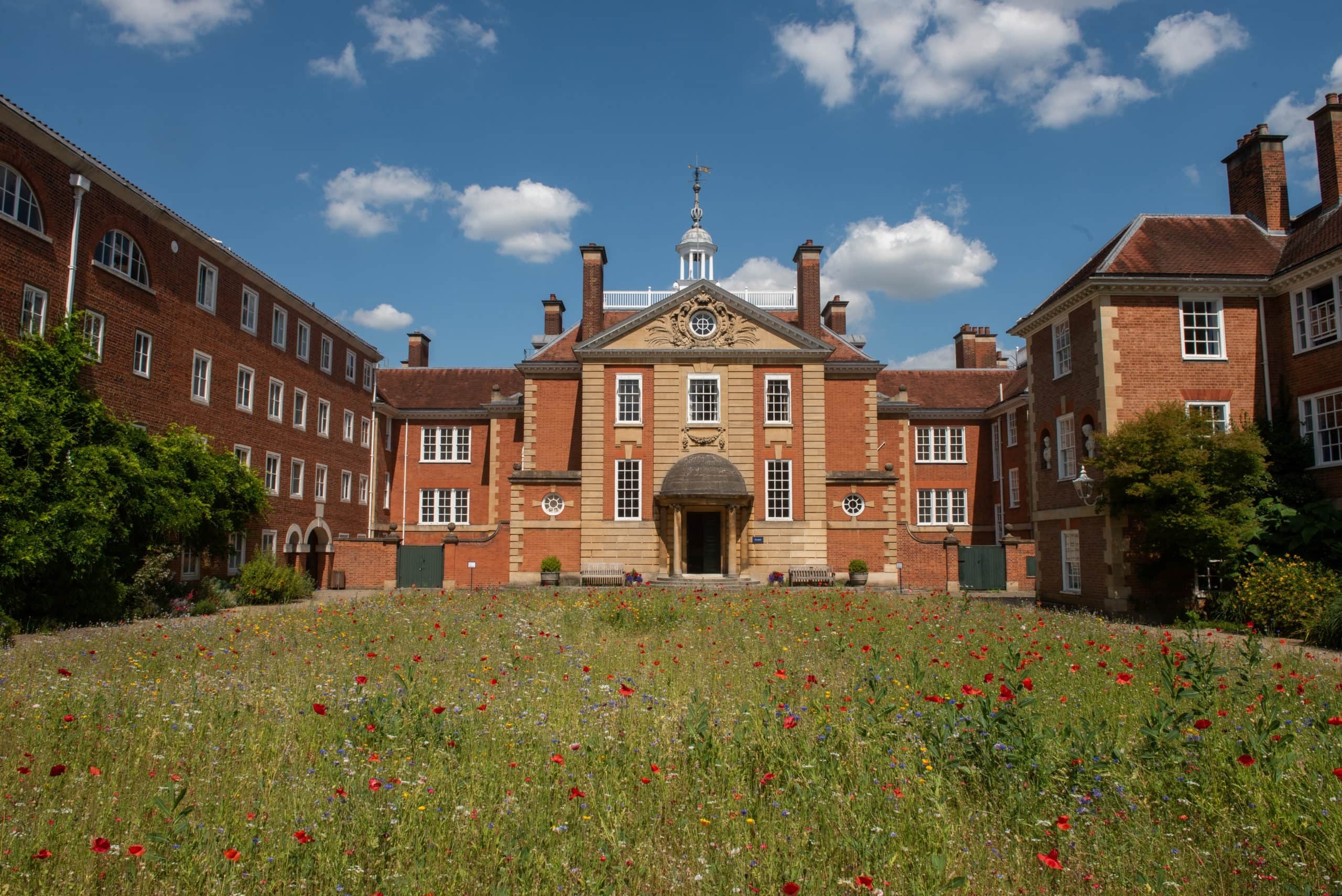
Its colleges, libraries, and courtyards have been part of academic life for centuries, creating an environment where learning feels both focused and reflective.
During your course, you may stay in colleges such as Worcester College, Somerville College, or St Benet’s. These are not simulated environments — they are active academic spaces, used by university students during term time.
Living and studying here means becoming part of that rhythm. Mornings begin in historic dining halls, discussions take place in seminar rooms and quiet corners of college buildings, and time between sessions is often spent walking through streets shaped by centuries of academic life.
To explore what it’s like to study in this setting, visit Oxford summer courses programmes.
Cambridge
Cambridge offers a different perspective, with its own traditions, atmosphere, and pace of life.
The city is defined by its colleges, green spaces, and the River Cam, creating an environment that feels both calm and intellectually focused. Here, learning often extends beyond the classroom — shaped by conversations, surroundings, and shared experiences.
You may stay in colleges such as Fitzwilliam, Sidney Sussex, or Corpus Christi, each with its own character and sense of community.
Time in Cambridge is as much about the environment as the academics — exploring the city, engaging with new ideas, and experiencing a different way of living and learning.
You can explore available programmes and subjects in Cambridge here: Cambridge summer courses.
Harrow School (Juniors)
For younger students, courses take place at Harrow School — one of the UK’s most well-known boarding schools.
The environment here is structured, supportive, and designed specifically for younger learners. Students live in boarding houses, learn in dedicated classrooms, and take part in a wide range of activities across the campus.
The setting provides a strong balance between academic learning and day-to-day support, allowing students to build confidence while experiencing a new environment.
You can learn more about this experience at Harrow summer school programmes.
Packages and Accommodation Options
Oxford Summer Courses offers a range of accommodation packages, allowing you to choose the level of comfort and flexibility that best suits your preferences.
All options include the same academic experience, with differences in accommodation, travel flexibility, and additional support.
Standard
The Standard option includes shared accommodation and fixed transfer times, providing a structured and well-supported experience.
Plus
The Plus package offers additional comfort, including a private room, enhanced insurance, and greater flexibility around travel arrangements.
Superior / Premier
For those seeking a more tailored experience, Superior or Premier packages include premium accommodation, flexible transfers, and a higher level of personalised support.
Across all options, students live and study within the same academic environment, ensuring a consistent experience both inside and outside the classroom.
Student Life Beyond the Classroom
Oxford Summer Courses is not only about academic study.
Life beyond the classroom plays an important role in shaping your overall experience — from the people you meet to the environments you explore.
You will study alongside students from over 100 countries, creating a diverse and intellectually curious community where ideas are shared openly and perspectives are constantly challenged.
This global mix is reflected in everyday life, from conversations during meals to group activities and time spent exploring your surroundings.
You will also have the opportunity to experience life in the UK, whether in Oxford, Cambridge, or at Harrow School. Through organised activities and informal exploration, you gain a deeper understanding of the places you are studying in.
Many students highlight the strength of this community as one of the most memorable aspects of the programme — forming friendships while engaging with new ideas and perspectives.
Travel, Transfers and Visas
Oxford Summer Courses provides structured support to ensure your arrival and departure are straightforward and well organised.
Airport transfers
Transfers are available from Heathrow Airport within a set arrival window, typically between 8:00 and 15:00. From there, students are transported to their course location, with departures scheduled regularly throughout the day.
Visa support
For international students, Oxford Summer Courses provides the documentation required to support your visa application.
This includes:
- A visa support letter
- Accommodation confirmation
- Guidance on required documentation
This process is designed to ensure you have the information needed to prepare for your course with confidence.
Reviews & Student Experience
Choosing a summer programme is not only about what you study, but how you experience it.
Oxford Summer Courses brings together students from over 100 countries, creating an environment where ideas are explored through discussion, shared experiences, and different perspectives.
A more engaging way to learn
Students often highlight the teaching style as one of the most distinctive aspects of the programme.
Rather than listening passively, you are expected to take part in discussions, ask questions, and develop your own ideas. Small group seminars and tutorials create space for meaningful interaction, where your thinking is explored and refined through conversation.
Personalised academic support
With small class sizes and tutorial-style teaching, tutors are able to focus closely on each student’s work.
Feedback is immediate and specific, helping you develop your ideas rather than simply arrive at an answer. Students often value being challenged in a supportive environment, where they are encouraged to explore different perspectives and build confidence in their thinking.
A global community
Living and studying alongside students from around the world creates a strong sense of community.
Conversations continue beyond lessons — during meals, activities, and time spent exploring Oxford or Cambridge — creating a shared experience that extends well beyond the classroom.
Many students describe this as one of the most memorable aspects of their time on course.
Growth beyond the classroom
Parents often notice a clear change after the course.
Students return with:
- Greater confidence in expressing their ideas
- A more independent approach to learning
- A deeper interest in the subjects they explored
Rather than focusing on a single outcome, the experience supports broader development — academically, socially, and personally.
Overall experience
Students frequently describe Oxford Summer Courses as:
- Intellectually engaging
- Thought-provoking
- Socially enriching
This reflects the combination of small group teaching, personalised support, exposure to new perspectives, and a shared experience within an international community.
How to Choose the Right Course
Choosing the right course depends on your interests, experience, and preferred learning environment.
When deciding, it is helpful to consider:
- Your age group and level of academic independence
- The subjects you are most interested in exploring
- Your preferred location (Oxford, Cambridge, or Harrow School)
- The type of experience you are looking for, both academically and socially
Each programme is designed differently, so selecting the right combination of subject, location, and structure will help ensure you get the most out of your time on course.
How to Apply for 2026
- Choose your subject and location
- Submit your application
- Receive your offer
- Secure your place
You can begin your application here: Apply to Oxford Summer Courses
If you would like a step-by-step breakdown of the process, see how to apply for Oxford Summer Courses.
Final Thought
Oxford Summer Courses 2026 is not about following a predefined path.
It is about exploring your ideas, questioning what you think you know, and learning how to develop your own perspective.
What you take from the experience will be different for every student — shaped by the subjects you choose, the conversations you have, and the way your thinking evolves over time.
This is where that process begins.
Frequently Asked Questions
Oxford Summer Courses focuses on how students think, rather than what they are required to learn. There is no fixed curriculum or exam-based structure. Instead, teaching is built around small group seminars, tutorials, and independent study, where students explore ideas, discuss different perspectives, and develop their own understanding of a subject.
This approach differs from more traditional summer schools, which often follow set syllabi or focus on measurable outcomes. Here, the emphasis is on discussion, critical thinking, and personalised learning, with each course shaped by the tutor and the students within the group.
Courses are designed to reflect different stages of learning, so the best option depends on your level of independence and how you prefer to learn.
Younger students (ages 9–12 and 12–14) benefit from more structured programmes with guided support, while older students (ages 13–24) experience increasing levels of independence, including discussion-based seminars, tutorials, and self-directed study.
When choosing a course, it is helpful to consider your academic interests, preferred location, and how comfortable you are working independently, as this will shape your overall experience.
Teaching is based on a combination of seminars, tutorials, and independent study.
In seminars, students explore ideas in small groups through discussion and collaboration. Tutorials provide more personalised sessions, where students present their work and receive direct feedback from tutors. Independent study allows time to prepare, read, and develop ideas in advance of sessions.
Tutors use questioning to guide learning, encouraging students to think critically, examine assumptions, and refine their arguments. The focus is not on finding a single correct answer, but on developing a deeper understanding of the subject.
Oxford Summer Courses is designed as a fully residential, all-inclusive experience.
The course fee typically includes academic teaching, accommodation, meals, social activities, excursions, a graduation ceremony, insurance, and airport transfers within set conditions. Students also receive access to pre-course learning materials to help them prepare before arrival.
This structure ensures that all aspects of the experience — both academic and day-to-day — are organised and supported throughout the programme.
Students often describe gaining more than subject knowledge.
Through small group teaching and independent learning, they develop confidence in expressing their ideas, learn how to engage with different perspectives, and become more comfortable thinking independently.
Many students return with a clearer sense of their academic interests, as well as stronger communication and critical thinking skills. The experience also offers the opportunity to build connections with an international community, creating lasting friendships and a broader understanding of the world.
About the author
Rhys Mackenzie is responsible for creating and maintaining educational content at Oxford Summer Courses, helping students and families access clear, accurate information about studying in Oxford. With several years of experience in digital content and student-focused resources, Rhys specialises in presenting academic programmes in a way that reflects the quality and integrity of the Oxford learning experience. Learn more about Rhys here.
Summary
Oxford Summer Courses 2026 brings together students aged 9–24 to explore subjects in Oxford, Cambridge, and leading UK schools through discussion, independent learning, and personalised teaching.